Currency
Popular currencies
EUR €
Euro
USD $
United States Dollar
AED
United Arab Emirates Dirham
SGD S$
Singapore Dollar
INR ₹
Indian Rupee
MYR
Malaysian Ringgit
More currencies
ALL
Albanian Lek
ARS
Argentine Peso
BRL R$
Brazilian Real
CLP
Chilean Peso
COP
Colombian Peso
CRC ₡
Costa Rican Colón
CZK Kč
Czech Koruna
DOP
Dominican Peso
FJD FJ$
Fijian Dollar
HUF Ft
Hungary Forint
ILS ₪
Israeli New Shekel
JOD
Jordanian Dinar
KES KSh
Kenya Shilling
MAD
Moroccan Dirham
MUR Rs
Mauritian Rupee
NOK
Norwegian Krone
OMR
Omani Rial
PEN S/
Peruvian Nuevo Sol
RON lei
Romanian Leu
TRY ₺
Turkey Lira
ZAR
South African Rand
AZN ₼
Azerbaijan New Manat
AUD AU$
Australian Dollar
BHD
Bahrain Dinar
CAD CA$
Canadian Dollar
CHF
Swiss Franc
CNY ¥
Chinese Yuan Renminbi
DKK
Danish Krone
EGP E£
Egyptian Pound
GBP £
British Pound
HKD HK$
Hong Kong Dollar
IDR Rp
Indonesia Rupiah
ISK kr
Icelandic Krona
JPY ¥
Japanese Yen
KRW ₩
South Korean Won
LBP
Lebanese Pound
MOP 毫
Macanese Pataca
MXN
Mexican Peso
NZD NZ$
New Zealand Dollar
PLN zł
Polish Zloty
QAR ر.ق
Qatari Riyal
SAR
Saudi Arabian Riyal
SEK
Swedish Krona
TWD NT$
Taiwan New Dollar
THB ฿
Thai Baht
VND ₫
Viet Nam Dong

Get the Best Deals on Big Five Safari Tours

South Africa
Sort by: Popularity
From Cape Town: Full-Day Big Five Safari Experience with Lunch at Aquila Game Reserve
Safari
4.6(101)
From Cape Town: Full-Day Big Five Safari Experience with Lunch at Aqui...
from
ZAR 3,795
Aquila Private Game Reserve: All-Inclusive Multi-Day Safari with Game Drives near Cape Town
Multi-Day Tours
Aquila Private Game Reserve: All-Inclusive Multi-Day Safari with Game...
from
ZAR 9,164
Aquila Game Reserve Safari: Small-Group Big 5 Tour with Hotel Pickup, Park Entry, and Buffet Lunch
Safari
Aquila Game Reserve Safari: Small-Group Big 5 Tour with Hotel Pickup,...
from
ZAR 2,950
From Cape Town: Aquila Big 5 Safari Day Tour with Private Transfers, Meals, and Wine Tasting
Safari
From Cape Town: Aquila Big 5 Safari Day Tour with Private Transfers, M...
from
ZAR 8,000
Aquila Private Game Reserve: Shared Transfers and Guided Safari Experience with Hotel Pickup and Drop-Off (Excludes Entrance Fees)
Safari
Aquila Private Game Reserve: Shared Transfers and Guided Safari Experi...
from
ZAR 1,550
Aquila Private Game Reserve Private Safari Tour with Transfers from Cape Town
Safari
Aquila Private Game Reserve Private Safari Tour with Transfers from Ca...
from
ZAR 3,500
Aquila Private Game Reserve Safari and Buffet Lunch with Shared 4x4 Game Drive
Safari
Aquila Private Game Reserve Safari and Buffet Lunch with Shared 4x4 Ga...
from
ZAR 3,250
Cape Town Private Big-Five Safari Tour with Hotel Pickup and Fairview Wine & Cheese Tasting
Safari
Cape Town Private Big-Five Safari Tour with Hotel Pickup and Fairview...
from
ZAR 1,950
Aquila Private Game Reserve: Sunset Safari Game Drive Ticket
Safari
Aquila Private Game Reserve: Sunset Safari Game Drive Ticket
from
ZAR 1,399
Aquila Private Game Reserve: Early Morning Safari Drive with Big 5 Viewing and Breakfast
Safari
Aquila Private Game Reserve: Early Morning Safari Drive with Big 5 Vie...
from
ZAR 2,420

A Big Five safari is one of Africa’s most iconic wildlife experiences, giving travelers the chance to spot lions, leopards, elephants, rhinos, and buffalo roaming freely across South Africa’s game reserves and national parks. From luxury lodge escapes in Kruger National Park to convenient day safaris from Cape Town and Johannesburg, South Africa offers unforgettable safari adventures for every type of traveler.

Near Cape Town, reserves like Aquila and Inverdoorn make it easy to experience a Big Five safari in just a day, while Johannesburg serves as the gateway to renowned destinations like Pilanesberg National Park and Kruger National Park. Whether you’re looking for thrilling game drives, scenic landscapes, luxury bush stays, or family-friendly wildlife experiences, a Big Five safari promises an unforgettable journey into the African wilderness.

Things to know before booking your Big Five safari

  • Safari destinations offer different experiences: Before planning your Big Five safari, it’s important to understand that every reserve and national park offers a different type of experience. Reserves near Cape Town like Aquila are ideal for convenient day trips, while destinations like Kruger National Park are better suited for immersive overnight or multi-day safaris.
  • Some safari destinations are malaria-free: Malaria-free reserves like Pilanesberg National Park and several private game reserves near Cape Town are popular among families and first-time safari travelers.
  • Day safaris are available from major cities: Many safari tours offer full-day experiences with convenient round-trip transfers from Cape Town and Johannesburg. These tours usually include guided game drives, reserve entry, and optional meals.
  • Luxury safaris include lodge stays and private game drives: Luxury safari experiences often include premium lodge accommodation, gourmet dining, spa facilities, sunset drives, and smaller safari vehicles for a more exclusive wildlife experience.
  • Wildlife sightings are never guaranteed: Animals roam freely through reserves and national parks, so every game drive is different. While many reserves have excellent Big Five sighting success rates, sightings can never be guaranteed.
  • Morning and evening game drives offer the best sightings: Wildlife is generally most active during the cooler hours around sunrise and sunset, making these the best times for safari drives.
  • Guided safaris improve wildlife spotting opportunities: Experienced rangers and trackers help locate animals while sharing insights about wildlife behavior, ecosystems, conservation, and local flora.
  • Kruger safaris usually require overnight stays: Kruger National Park is located farther from South Africa’s major cities, so most visitors choose multi-day safaris to fully experience the park.

Your Big Five safari options explained

Big Five safari day trips

Short on time? Day safaris are the perfect way to experience South Africa’s wildlife without committing to an overnight stay. Most tours include hotel transfers, guided game drives, reserve entry, and optional meals.

Duration: 8 to 12 hours
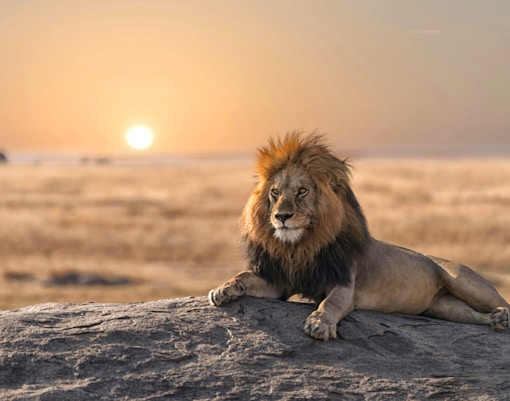
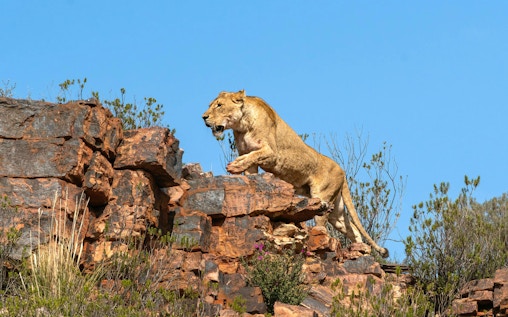
Lion resting on a rock at sunset in the African savanna.

Overnight safaris

Spend a night or more surrounded by the African bush on an immersive safari experience. Overnight safaris often include sunrise and sunset game drives, bush dinners, and lodge accommodation.

Duration: 2 to 5 days
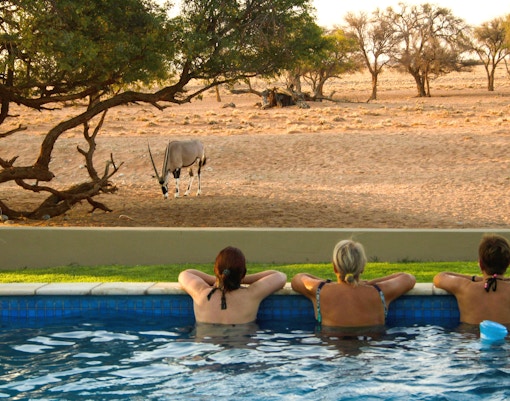
People in a pool observing a gemsbok in the African wilderness.

Luxury lodge safaris

Combine wildlife encounters with premium accommodation, gourmet dining, spa facilities, and exclusive safari experiences.

Duration: 1 to 5 days
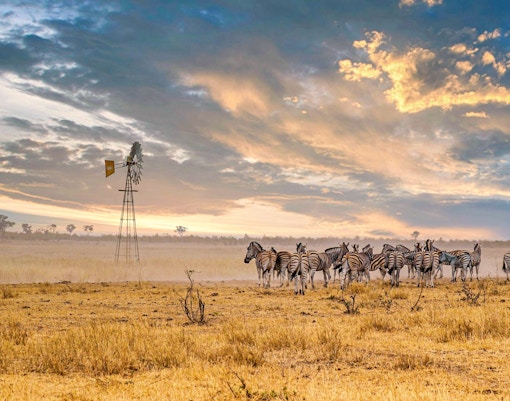
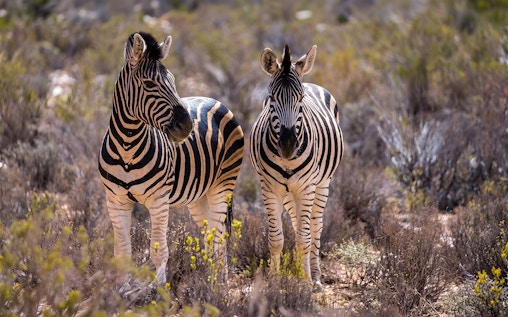
Herd of Burchell's zebras near a windmill at sunset, Kruger National Park, South Africa.

Kruger National Park safaris

Kruger National Park is South Africa’s most iconic safari destination, known for its vast landscapes, extraordinary biodiversity, and exceptional wildlife sightings.

Duration: 2 to 6 days
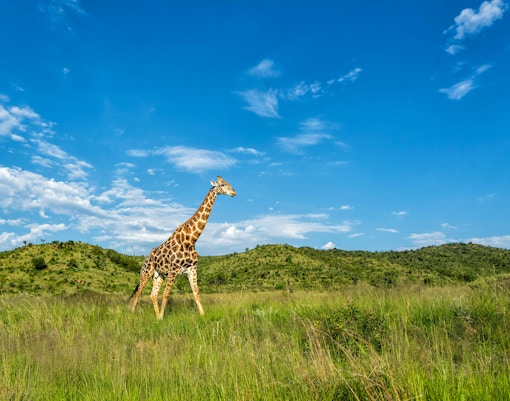
Giraffe walking in green grass with mountains in Pilanesberg National Park, South Africa.

Pilanesberg safaris

Located near Johannesburg, Pilanesberg National Park is one of South Africa’s top malaria-free safari destinations.

Duration: Full day to 3 days
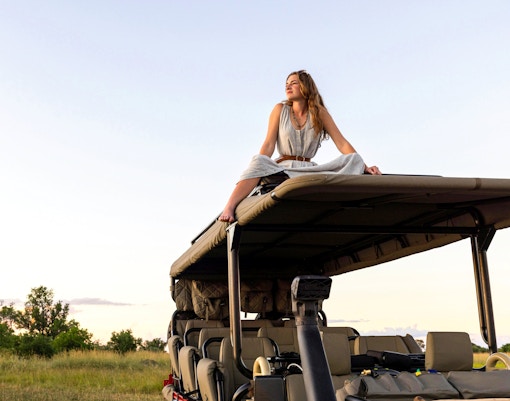
Girl sitting on safari vehicle roof in African savanna.

Cape Town safari tours

Cape Town safari tours are ideal for travelers looking to combine wildlife experiences with city sightseeing and scenic drives through the Western Cape.

Duration: Full day or overnight
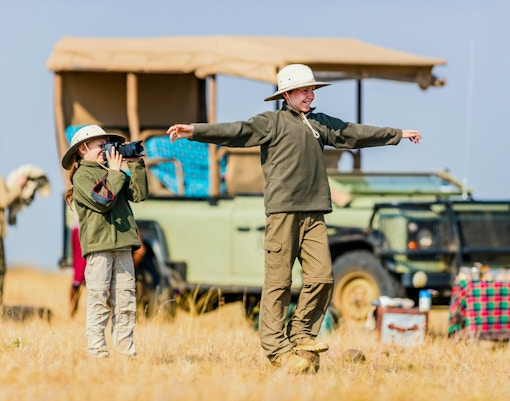
Children on safari in Africa with camera and jeep in background.

Family-friendly safaris

Many South African reserves offer family-friendly safari experiences with malaria-free environments, flexible schedules, and child-friendly lodge facilities.

Duration: Full day to multi-day
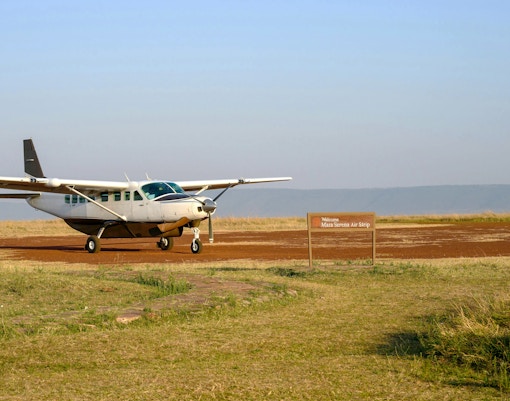
Airplane on dirt airstrip at Mara Serena Air Strip, Africa.

Fly-in safaris

Maximize your time in the bush with fly-in safaris that connect major cities with remote reserves and luxury lodges.

Duration: 1 to 5 days

Meet the Big Five

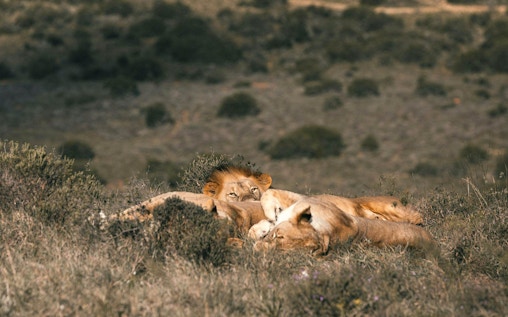
Lions in African savanna with hot air balloons in the background.

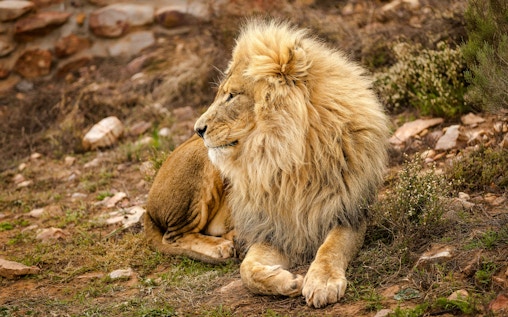
Lion

Known as the “king of the jungle,” lions are powerful big cats famous for their strength, deep roars, and highly social behavior. Unlike most other wild cats, lions live in organized family groups called prides and are often spotted resting in open grasslands between hunts.

Preferred habitat

  • Open savannahs and grasslands
  • Semi-arid plains
  • Areas with nearby water sources
  • Regions with dense prey populations

Food habits & hunting behavior

  • Carnivorous apex predators
  • Primarily hunt zebras, wildebeest, antelope, and buffalo
  • Usually hunt during cooler hours at dawn, dusk, or night
  • Lionesses typically hunt together using coordinated group tactics
  • Male lions often protect kills from rival predators

Social habits

  • Live in prides made up of lionesses, cubs, and dominant males
  • Cubs are raised communally within the pride
  • Males defend territories against rival coalitions
  • Known for strong social bonds and group cooperation

Fun fact: A lion’s roar can be heard from up to 8 kilometers away across the African savannah.

Leopard resting on a tree branch during a late afternoon safari.

Leopard

Leopards are elusive and highly adaptable big cats known for their stealth, agility, and distinctive spotted coats. Solitary by nature, they are among the hardest Big Five animals to spot during a safari.

Preferred habitat

  • Dense bushveld and woodland
  • Rocky hills and mountain slopes
  • Riverine forests
  • Open savannahs with tree cover

Food habits & hunting behavior

  • Opportunistic carnivores
  • Hunt antelope, monkeys, birds, reptiles, and smaller mammals
  • Usually hunt alone using stealth and surprise attacks
  • Often drag prey into trees to protect it from scavengers
  • Primarily nocturnal hunters

Social habits

  • Mostly solitary except during mating or when raising cubs
  • Mark territories using scent and scratch marks
  • Cubs remain with mothers for up to 2 years
  • Extremely territorial animals

Fun fact: Leopards are excellent climbers and can carry prey heavier than themselves up into trees.

Elephants walking at sunset in Kenya.

Elephant

African elephants are the world’s largest land mammals and are admired for their intelligence, strong family bonds, and remarkable memory. They are among the most commonly sighted animals on safari.

Preferred habitat

  • Grasslands and savannahs
  • Woodlands and riverbanks
  • Areas near water sources
  • Open plains with abundant vegetation

Food habits & feeding behavior

  • Herbivores that feed on grasses, leaves, bark, roots, and fruit
  • Spend up to 16 hours a day feeding
  • Consume hundreds of kilograms of vegetation daily
  • Use trunks to gather food and drink water
  • Often migrate seasonally in search of food and water

Social habits

  • Live in close-knit herds led by a matriarch
  • Female elephants remain with family groups for life
  • Male elephants often leave herds as they mature
  • Highly intelligent with strong emotional and social connections

Fun fact: Elephants communicate using low-frequency sounds that can travel several kilometers.

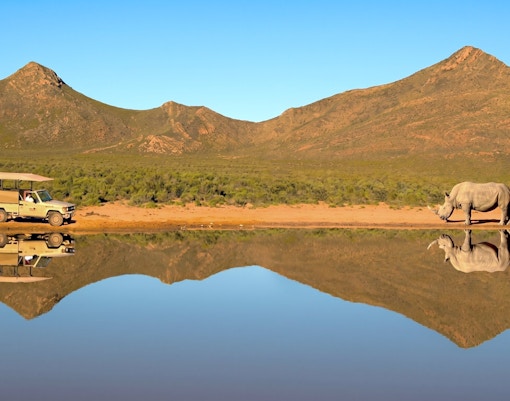
Rhinoceros walking in grassland during safari in South Africa with tour vehicles nearby.

Rhinoceros

Rhinos are among Africa’s most ancient and endangered animals, recognized for their thick skin, massive size, and distinctive horns. South Africa is home to both white rhinos and black rhinos.

Preferred habitat

  • Open grasslands
  • Savannah woodlands
  • Dense bush areas
  • Regions with mud wallows and water access

Food habits & feeding behavior

  • White rhinos are grazers that feed mainly on grass
  • Black rhinos browse on leaves, shrubs, and branches
  • Spend much of the day feeding during cooler hours
  • Frequently visit waterholes and mud wallows

Social habits

  • White rhinos are relatively social and may gather in small groups
  • Black rhinos are more solitary and territorial
  • Mothers stay close to calves for several years
  • Generally calm but can become aggressive when threatened

Fun fact: Despite their names, white and black rhinos are actually similar in color — the names mainly refer to differences in mouth shape and feeding style.

Cape buffalo standing in African savanna, covered in mud for heat survival.

Buffalo

African buffalo are powerful herd animals known for their curved horns, unpredictable behavior, and impressive resilience. They are considered one of the most dangerous animals in Africa due to their defensive nature.

Preferred habitat

  • Open grasslands
  • Wetlands and floodplains
  • Wooded savannahs
  • Areas close to permanent water sources

Food habits & feeding behavior

  • Herbivorous grazers
  • Feed mainly on grasses and low vegetation
  • Prefer grazing during cooler parts of the day
  • Depend heavily on regular access to water

Social habits

  • Usually found in large herds that may contain hundreds of buffalo
  • Herds provide protection against predators
  • Older males sometimes form smaller bachelor groups
  • Highly protective of calves and injured herd members

Fun fact: Buffalo are known to defend one another against predators and have even been observed chasing lions away as a group.
Know before you go

Travel essentials
Timings
Best time to visit
Transport
Travel hacks
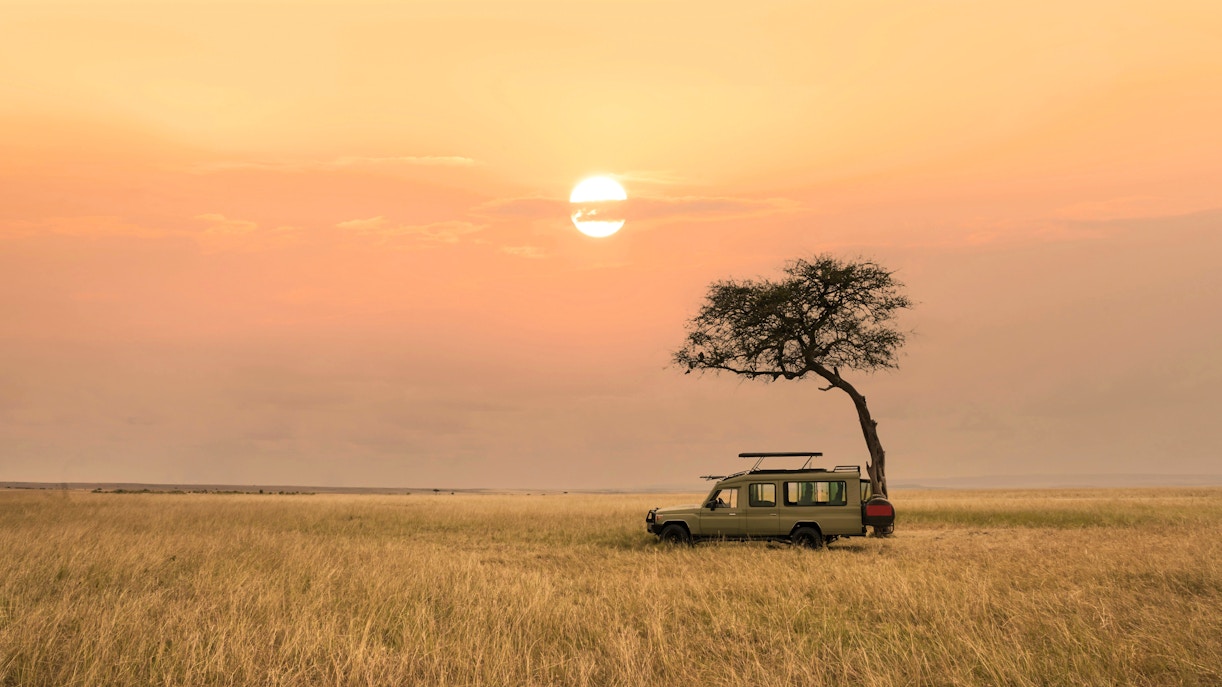
Safari vehicle on African savanna grassland at sunset near a solitary tree.
  • Time zone: South Africa follows South Africa Standard Time (SAST), which is UTC +2.
  • Currency: The official currency of South Africa is the South African Rand (ZAR).
  • Languages: English is widely spoken across major safari destinations, lodges, and tourist areas.
  • Emergency number: South Africa’s emergency number is 112 from mobile phones.
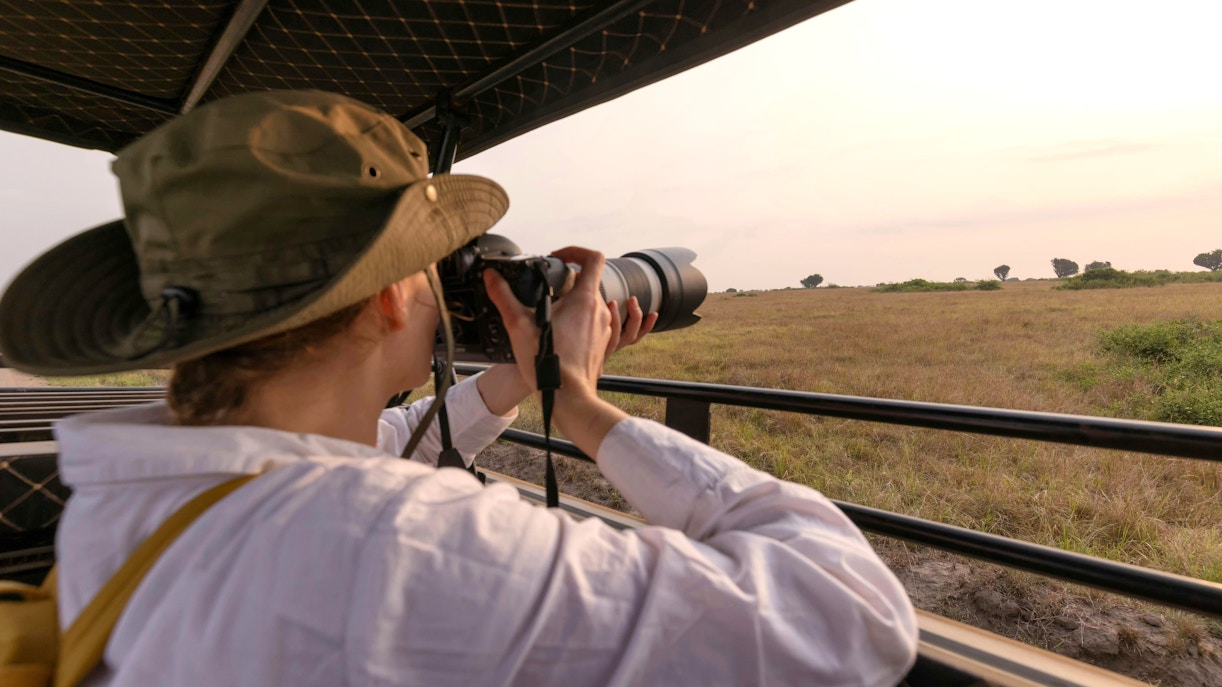
Tourist photographing wildlife on a safari tour in Kenya.
  • Morning game drives: Most morning safaris begin between 5am and 7am depending on the season and reserve.
  • Sunset game drives: Evening safaris usually begin between 4pm and 6pm and continue into sunset.
  • Day safari timings: Full-day safaris from Cape Town and Johannesburg typically operate between 6am and 6pm.
  • Lodge check-in timings: Most safari lodges offer check-in from around 2pm with afternoon game drives included.
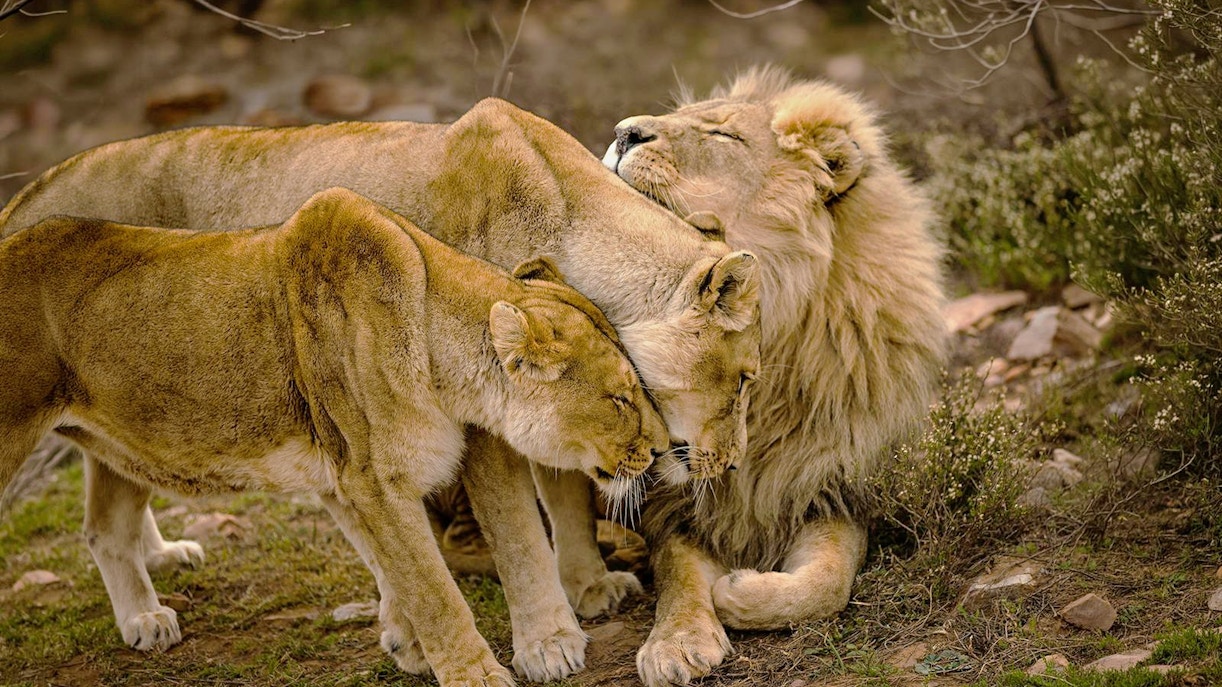
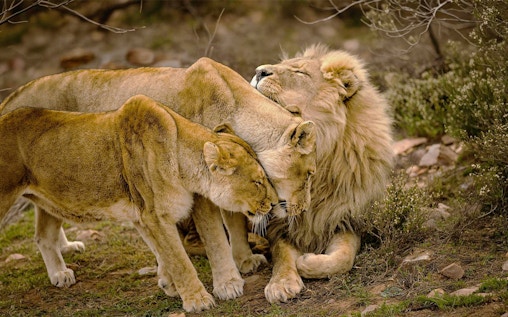
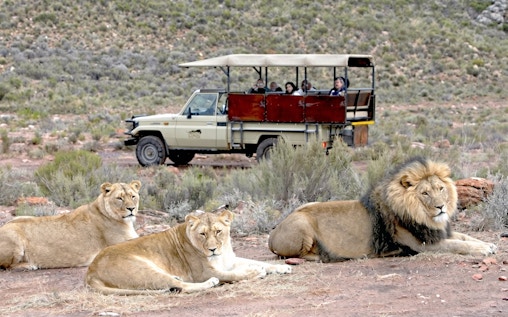
Lions interacting at Aquila Private Game Reserve, Touws River, South Africa.
  • The dry winter months between May and September are generally considered the best time for wildlife viewing because thinner vegetation and limited water sources make animals easier to spot.
  • Summer months from November to February bring greener landscapes, dramatic skies, newborn animals, and excellent birdwatching opportunities. While wildlife viewing remains good year-round, conditions vary depending on the region and reserve.
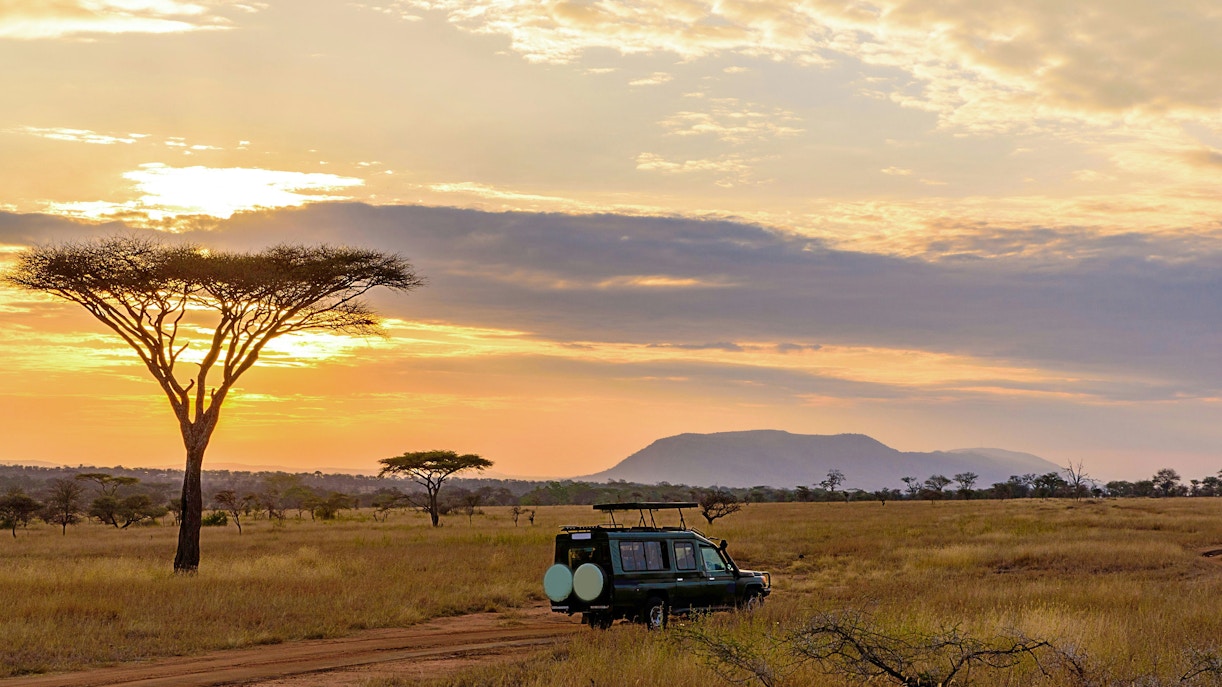
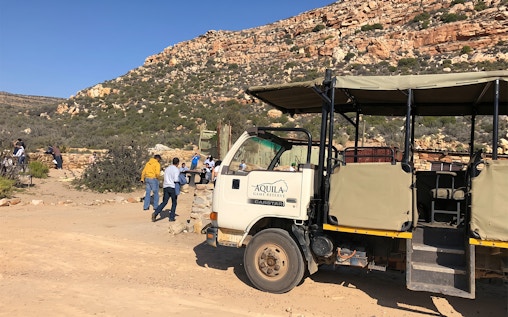
Safari vehicle under acacia trees at sunset
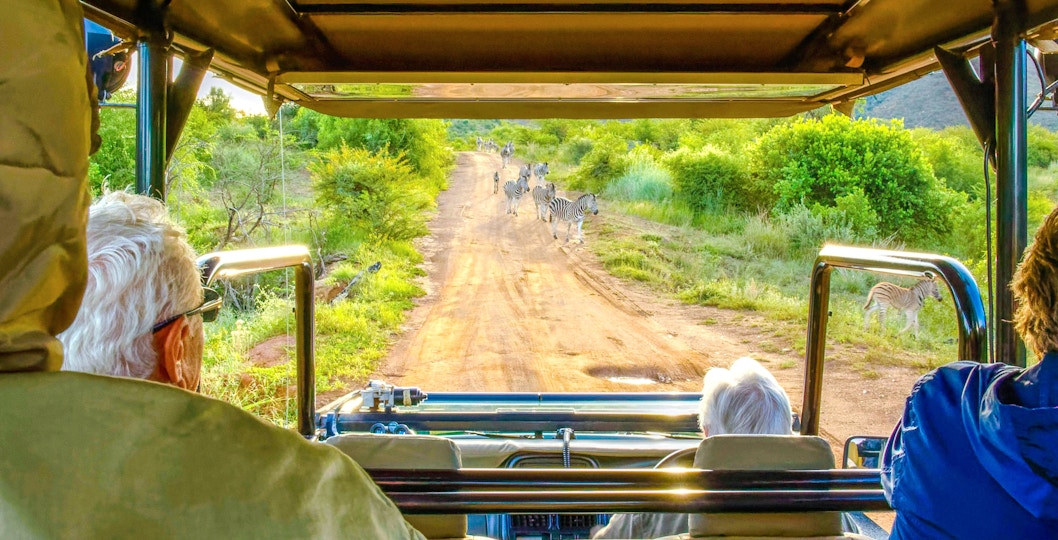
  • Many Big Five safari tours include round-trip transfers from Cape Town, Johannesburg, or nearby meeting points. Once inside the reserve, most game drives take place in open safari vehicles led by professional ranger guides.
  • Some multi-day safari experiences also include domestic flights, lodge transfers, or private transport between reserves.
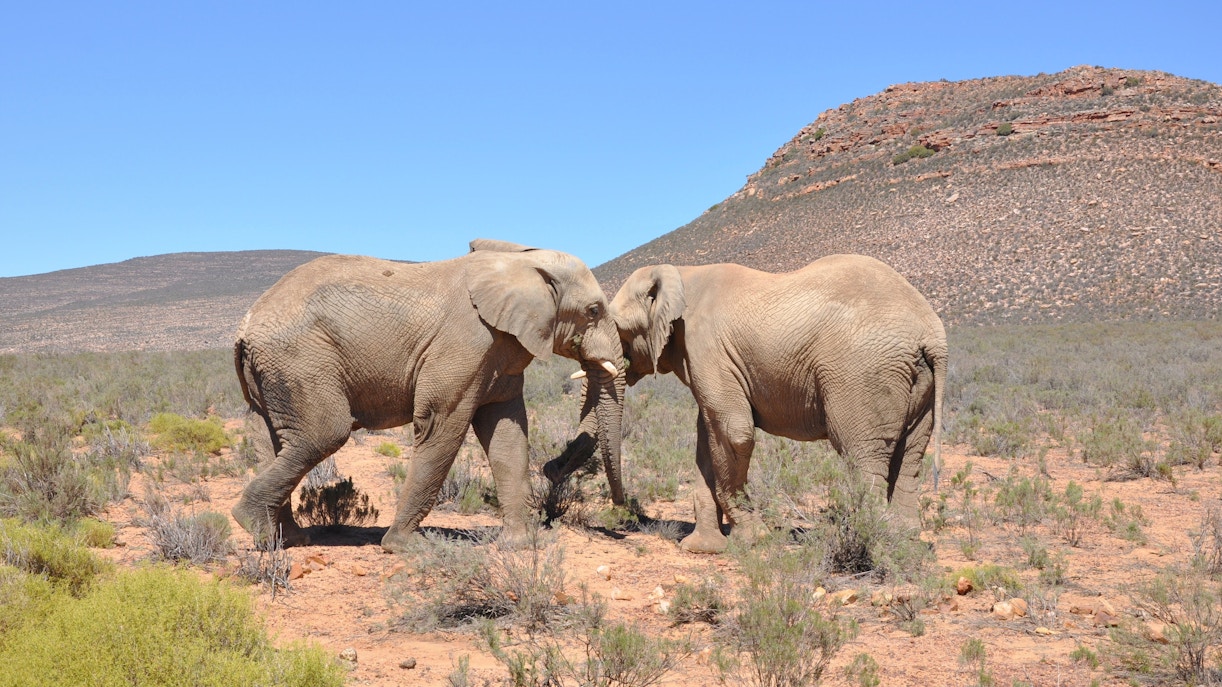
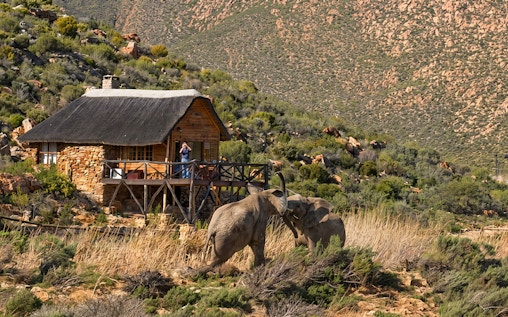
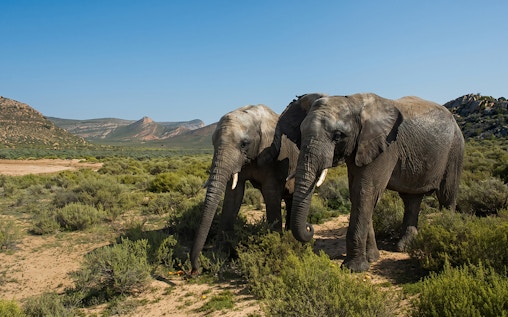
Elephants interacting at Aquila Safari in South Africa's bush landscape.
  • Neutral-colored clothing works best for safari drives.
  • Bring a light jacket because early morning drives can be chilly.
  • Carry sunglasses, sunscreen, and a hat for daytime safaris.
  • Binoculars and zoom lenses improve wildlife viewing and photography.
  • Listen carefully to your ranger guide during wildlife sightings.
  • Book safaris early during peak travel seasons.
  • Overnight safaris offer better chances of spotting wildlife across different times of the day.

Frequently asked questions about Big Five safaris

What are the Big Five animals?

The Big Five refers to the lion, leopard, elephant, rhinoceros, and buffalo. The term originally came from big-game hunting and now represents Africa’s most iconic safari animals.

Which is the best Big Five safari near Cape Town?

Aquila Game Reserve and Inverdoorn Game Reserve are among the most popular safari destinations near Cape Town, offering convenient day trips and overnight safari experiences.

Which safari destination is best near Johannesburg?

Pilanesberg National Park is a favorite for short malaria-free safaris near Johannesburg, while Kruger National Park is ideal for immersive multi-day wildlife experiences.

Can I do a Big Five safari as a day trip?

Yes. Many reserves near Cape Town and Johannesburg offer full-day safari experiences with hotel transfers, guided game drives, meals, and reserve entry included.

Are Big Five sightings guaranteed?

No. Wildlife moves freely through reserves and national parks, so sightings can never be guaranteed. However, many safari destinations have high success rates for spotting the Big Five.

What is the best time for a Big Five safari?

The dry winter months from May to September are generally considered the best for wildlife viewing because animals gather near water sources and vegetation is thinner.

Are there malaria-free safari destinations in South Africa?

Yes. Pilanesberg National Park and several game reserves near Cape Town are malaria-free, making them popular among families and first-time safari travelers.

How many days do I need for a safari?

Day safaris are ideal for travelers short on time, especially from Cape Town. For destinations like Kruger National Park, 2 to 5 days is usually recommended for a more immersive experience.

What should I wear on safari?

Comfortable neutral-colored clothing, walking shoes, sunglasses, hats, and light jackets for morning drives are recommended. Avoid bright colors during game drives.

Are safaris suitable for children?

Many safari lodges and reserves offer family-friendly experiences, though some game drives and walking safaris may have minimum age restrictions.

Are safaris available year-round?

Yes. Big Five safaris operate throughout the year, though wildlife viewing conditions vary depending on the season and destination.

What should I pack for safari?

Binoculars, sunscreen, cameras, zoom lenses, reusable water bottles, hats, insect repellent, and layered clothing are highly recommended.